What is Zostera marina and why it matters on our coasts
Marine grain comes from a flowering plant that returned to the sea. In Europe it lives alongside other seagrasses and provides services that often go unnoticed.
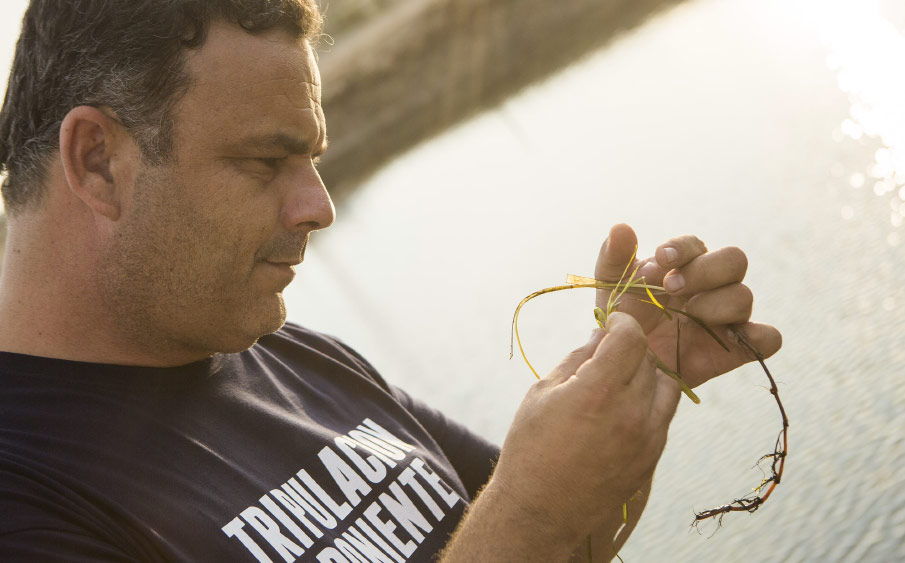
According to Aponiente's Gastronomic Research Laboratory, marine grain comes from Zostera marina: a superior, flowering marine seagrass. It is not an alga. It forms dense shallow meadows that shelter fish, crustaceans and invertebrates.
A grass that returned to the ocean
Aponiente notes that about 100 million years ago a group of land plants went back to the sea and adapted to live submerged. Zostera marina still reproduces with flowers and seeds but draws nutrients from salt water, which is why the grain behaves like a cereal while the plant remains fully marine.
Four species in Europe
Four wild marine flowering plants exist in Europe. Zostera marina is the most widespread on Atlantic and northern coasts, including the Bay of Cádiz where the team found it during underwater survey dives.
The species is threatened and native. It provides essential ecosystem services but is retreating in many areas because of dredging, anchoring, pollution and human pressure, as described on What is marine grain.
Marine grain vs. the plant
Marine grain is the seed harvested from cultivated Zostera marina. Aponiente also calls it «sea rice» for its culinary versatility.
Why Cádiz?
The Bay of Cádiz Natural Park combines salt pans, estuaries and shallow beds suited to pilot plots. The experimental crop covers about 3,000 m² near Puerto Real. Technical details are on Sustainable crops.
Last reviewed: September 2026. Aligned with aponiente.com/sostenibilidad/zostera and updated sections of this site.